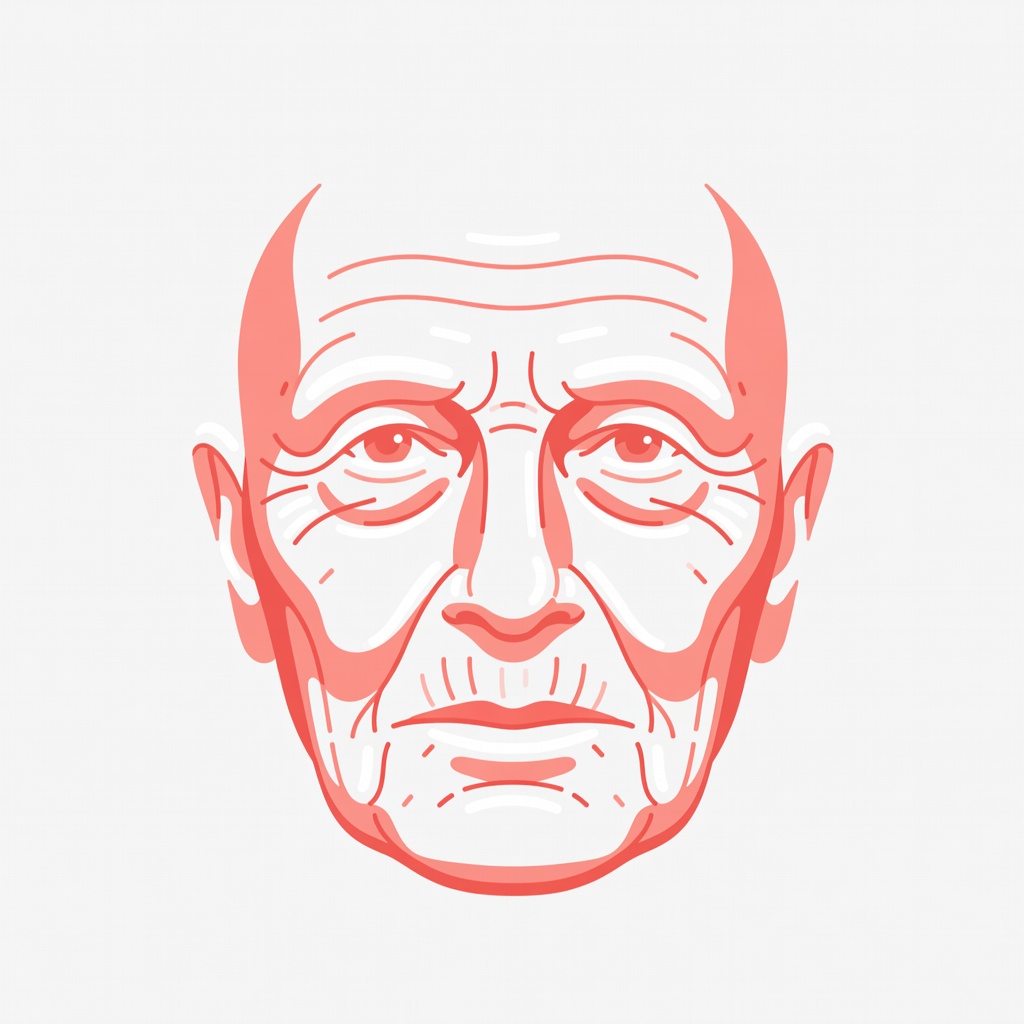
Start from the script, not the kit
Before touching a brush, answer the story questions. How old is the character, and how old do they feel? What work do they do, and what weather do they live in? What happens to them between scenes? A farmer in an outdoor drama has a different skin story than an office worker in a studio sitcom, even at the same age.
Build a reference board from archival photographs, paintings, documentary stills and people you observe. Share it with the director, the costume designer and the hair department. A character is a team decision; your makeup should agree with the collar, the hairline and the lighting plan.
Draw it first: face charts
A face chart is a flat drawing of the face on which you map colour, shadow, lines and details. It lets the director approve a design without using performer time, and it becomes part of the continuity record. Mark product names and shade codes directly on the chart so it doubles as instructions.
Light and shadow logic
On camera, highlight and shadow must follow real bone structure, because the key light will reveal the truth. A contour placed below the actual cheekbone fights the light and reads as dirt. Find the structure with your fingertips, place shadow where real light would fall away, and diffuse edges until no line is visible in close-up. Always check the face in profile and three-quarter, the angles the camera will use.
Ageing techniques and their limits
Paint-only ageing
Stretch-and-stipple
Prosthetic ageing
Hair and hands
Facial hair
Two common approaches suit different needs. Laid hair uses loose crepe wool or prepared hair applied in layers onto an adhesive; it is flexible and inexpensive but hard to repeat exactly. Ventilated lace pieces, made by knotting hair into fine lace, reapply in the same shape every day, which makes continuity far simpler on long shoots. Whatever the adhesive, use its matching remover and lift edges gently.
Bald caps
A bald cap covers the performer's hair to create a shaved or receding head, or to provide a base for further prosthetics. The thin blending edge is the hardest part: high-resolution cameras will show a visible ridge. Dissolve or feather the edge carefully, colour it to match, and keep the hairline area in the light test.
Tired, unwell and weathered looks
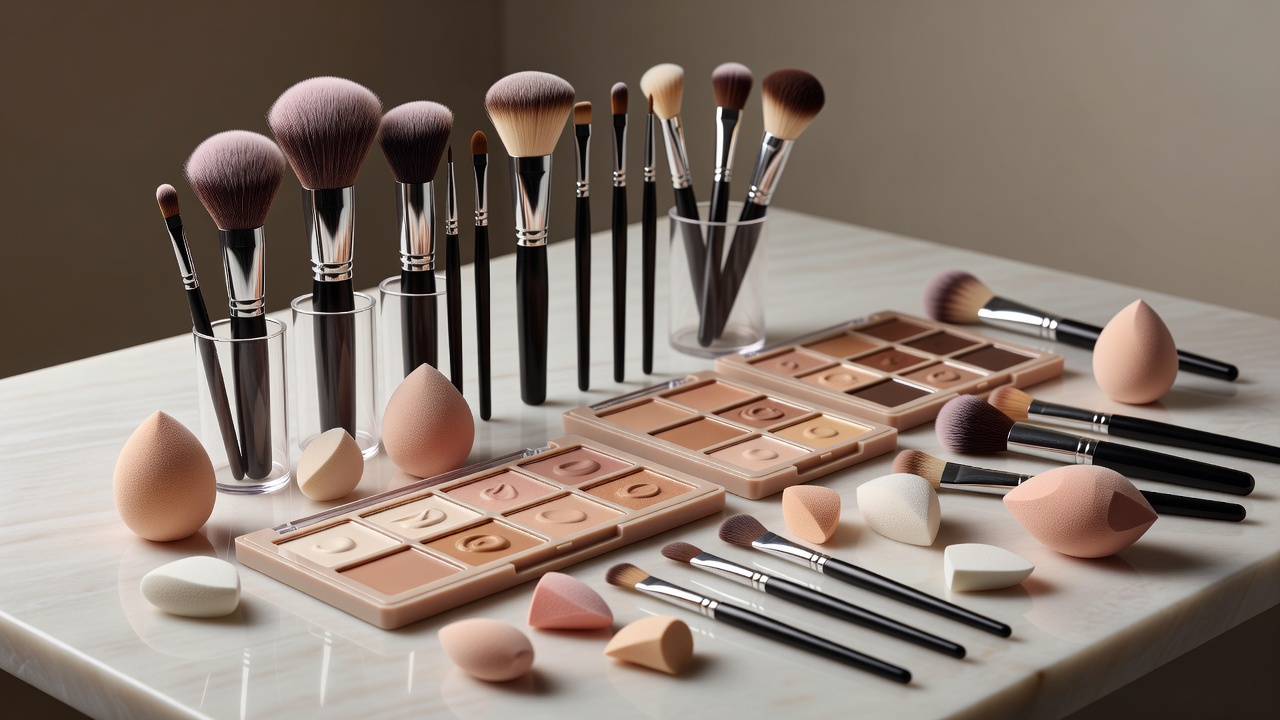
These looks are story-led, not medical. Fatigue might mean a fine red-brown pencil softened along the lower lash line, slightly desaturated lips and a little extra sheen. Weathering for outdoor characters might add broken warmth across the nose and cheeks and a sun-faded hairline. Use only eye-safe products near the eyes, never anything that irritates, and check every choice with the director so the look serves the story.
Repeatability is part of the design
A transformation that takes three hours and cannot be rebuilt is a liability. When choosing techniques, ask how long application takes, how it survives heat and movement, and whether another artist could reproduce it from your face chart and photos. Those answers matter as much as how it looks on day one.