Why continuity breaks
Productions schedule by location, cast availability and daylight, not by story order. The script supervisor tracks which story day each scene belongs to; the makeup department tracks what each character looks like on that story day. A graze earned on story day three must look like day three whether it is filmed in week one or week seven, and again if a reshoot happens months later with a different artist in the chair.
Editors also cut between takes. If a smudge appears in take four but not in take one, the editor loses options. Continuity is what gives post-production freedom.
Start with the breakdown
Read the full script and split it into story days. For each character, list every scene and the look it needs: clean, tired, sweating, dirty, injured, wet, recently crying. Note when something changes on screen, such as a character washing their face, because the look before and after that moment are two separate entries.
Use simple shared scales. A 0–3 scale for sweat and for dirt means "dirt 2" means the same thing to everyone. Avoid private shorthand; your record may be read by a dailies artist who has never met you.
| Scene | Story day | Look | Change in scene? |
|---|---|---|---|
| 12 | Day 1 | Clean, dirt 0, sweat 1 | No |
| 27 | Day 3 | Fresh graze L cheek, dirt 2 | Yes: graze appears |
| 42 | Day 3 | Graze day-3 stage, sweat 2 | No |
The continuity record
A record should let another trained artist rebuild the look without asking you anything. Keep entries factual and in application order.
Example record — Scene 42
- Location
- Ext. quarry road · Night
- Story day
- Day 3
- Character
- Mara (lead)
- Base
- 2 parts W3 : 1 part W4, damp sponge, sheer
- Powder
- Translucent, T-zone only
- Detail
- Graze L cheekbone, 2 cm, dried edges, day-3 colours
- Sweat / dirt
- 2 / 1 (0–3 scale)
- Hair note
- Two strands loose at R temple (hair dept.)
- Photos
- S42_front, S42_L, S42_R, S42_34, S42_graze
- Notes
- Actor wipes brow in take 2 — reset before take 3
Photograph like an archivist
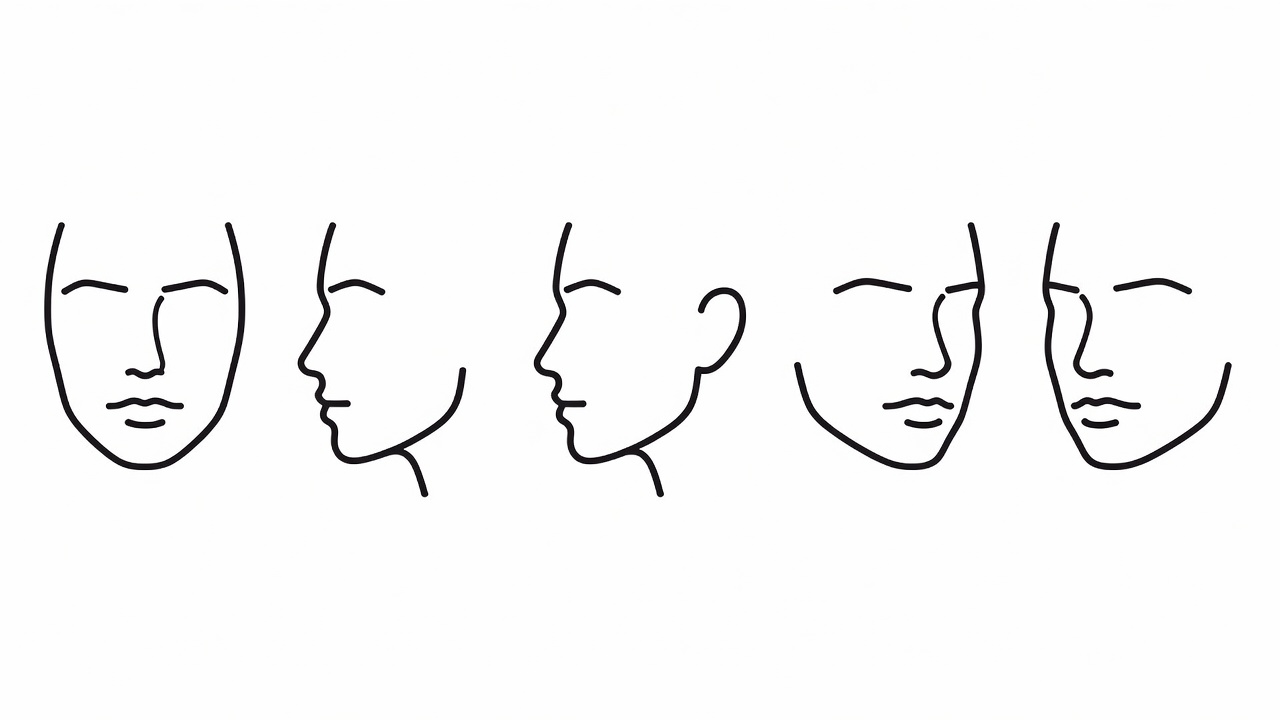
Take reference photos after the final check, ideally on set under the scene's light, and again if the look changes during shooting. Keep framing consistent: front, both profiles, three-quarter, and close-ups of details such as wounds, tattoo covers or stubble length. Including a grey card or colour reference in one frame helps anyone later judge colour despite different lighting.
Name files by scene and angle so they sort cleanly. Many departments use dedicated continuity apps or shared drives; keep a backup and follow the production's data instructions. Photos of performers are personal data, so store and share them only as the production directs.
Prepare, apply, reset
- Pull the record and photos for the story day.
- Lay out only listed products, labels facing you.
- Check whether any scene in today's schedule changes the look mid-scene.
- Follow the recorded order and ratios.
- Compare angle by angle with the reference photos.
- Shoot new reference photos before the performer leaves the chair.
- Watch the monitor through each take.
- Reset sweat, dirt and smudges to first-take state between takes.
- Tell the script supervisor if a change happened within a take.